Under new leadership Hydrafacial Surpasses Financial Expectations despite slow device sales, The Beauty Health Company surpassed its financial guidance despite a slowdown in demand for its flagship Hydrafacial devices.
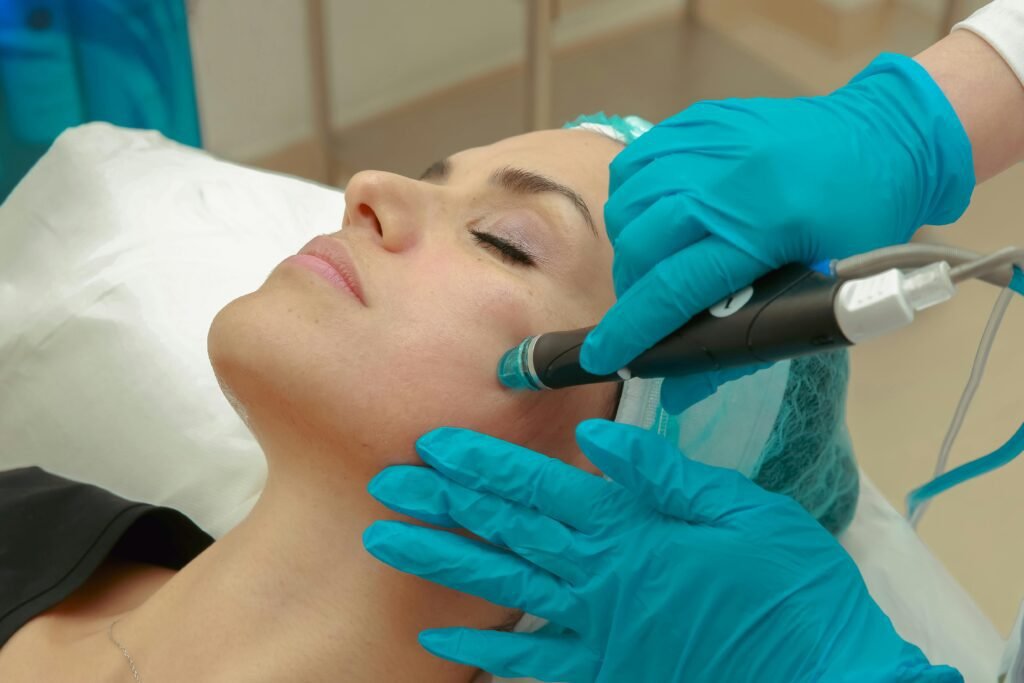
In its third-quarter earnings report released Thursday, the Hydrafacial parent company posted net sales of $70.7 million, down 10.3 percent year over year. The decline was attributed to softer demand for Hydrafacial devices and treatments, though profitability saw a modest uptick driven by strength in the company’s consumables segment.
For the quarter ending Sept. 30, Beauty Health delivered 875 Hydrafacial systems, compared to 1,118 during the same period last year — a drop attributed to a “challenging macroeconomic environment,” said chief executive Pedro Malha in a statement.
Despite the dip in device sales, the company exceeded the high end of its guidance range, bolstered by robust consumables sales — including tools and serums used in Hydrafacial treatments such as the Hydrafillic with Pep9 Booster launched in June 2025 and the Hydralock HA Booster introduced in October 2024 — along with tighter cost controls.
This marks the first earnings report under new CEO Pedro Malha, who took over from Marla Beck on Oct. 1. Malha emphasized that his team remains focused on expanding the Hydrafacial device footprint, enhancing commercial performance, and continuing to grow the consumables business.
Did Hydrafacial surpasses financial expectations?
Yes, Despite a slowdown in device sales, Hydrafacial surpasses financial expectations, supported by steady growth in its consumables segment and improved operational efficiency. The company’s focus on innovation and expanding its treatment portfolio continues to strengthen its position in the beauty technology market.
Subscribe to our newsletter to get latest news updates.
FAQ:
- What is the profit margin on HydraFacials?
- Treatments like chemical peels can achieve gross profit margins of up to 80% due to low product costs and minimal equipment needs, with labor as the main expense. In contrast, procedures such as HydraFacials require costly machines, bringing margins down to around 65%.
- What is the revenue of BeautyHealth?
- The Beauty Health Company (BeautyHealth), parent of Hydrafacial, SkinStylus, and Keravive, outperformed financial expectations in Q2 despite a drop in revenue. Net sales fell 13.7% to US$78.2 million, down from $90.6 million in 2024, primarily due to reduced income from delivery systems. Despite Hydrafacial surpasses financial expectations despite slow device sales
- Why is HydraFacial costly?
- The cost of a HydraFacial covers the use of its patented equipment — a large mobile device featuring hoses and a wand with interchangeable tips. Its suction-powered exfoliating head removes dead skin cells from the skin’s surface, leaving it refreshed and clear.
- Who is HydraFacial best for?
- HydraFacials are suitable for nearly all skin types — including sensitive, acne-prone, mature, or dull skin — thanks to their gentle, non-irritating nature and customizable approach. They help enhance hydration, reduce fine lines and wrinkles, and address uneven tone, hyperpigmentation, and enlarged pores. Safe for a broad range of ages, HydraFacials offer a professional-grade treatment without the harshness of more aggressive options.